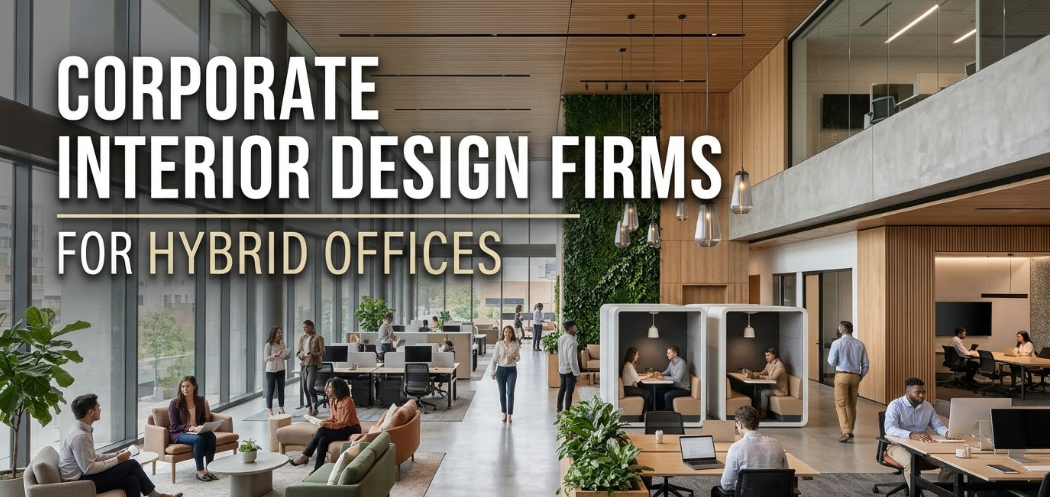
The way businesses use office spaces has changed significantly with the growth of hybrid working. Today, employees may work from the office on some days and remotely on others. This shift has created a need for flexible, comfortable, and technology-friendly workplaces that support collaboration while providing quiet spaces for focused work.
Choosing the right corporate interior design firms in Chennai can help businesses create offices that meet these changing needs. From smart workspace planning to modern meeting rooms, professional designers can transform traditional offices into efficient environments that support productivity, employee well-being, and business growth.
Whether you are setting up a new office or renovating an existing workspace, understanding the essentials of hybrid office design can help you make better decisions.
Why Hybrid Offices Need a Different Design Approach
Traditional offices often assign a permanent desk to every employee. However, hybrid workplaces require a more flexible approach because employees may not be present in the office every day.
A well-designed hybrid office focuses on how people use the space rather than simply how many desks it contains. It provides a balance between individual workstations, collaborative areas, meeting rooms, and comfortable breakout spaces.
Professional designers consider employee movement, team requirements, available floor space, and technology needs before developing a layout. This ensures that the office remains practical, organised, and welcoming for everyone.
Key Features of a Well-Designed Hybrid Office
1. Flexible Workstations for Changing Needs
Flexible workstations allow employees to use available desks instead of relying on permanently assigned seating. This arrangement can help businesses make better use of their office space, particularly when teams follow different attendance schedules.
Modern office interiors in Chennai can incorporate shared desks, adjustable chairs, ergonomic tables, and convenient charging points. Thoughtful storage solutions also help employees keep their work areas organised.
The result is a workspace that adapts to changing team sizes without compromising comfort or functionality.
2. Collaborative Spaces for Better Teamwork
Hybrid employees often come to the office to brainstorm, discuss projects, and connect with colleagues. Dedicated collaboration areas make these activities easier and more productive.
Open discussion zones, small meeting rooms, and informal seating areas give teams different options depending on the nature of their work. Acoustic panels and suitable furniture can help reduce distractions while maintaining a comfortable atmosphere.
A good office layout should also provide enough privacy for conversations that involve confidential business information.
3. Technology-Ready Meeting Rooms
Technology plays an essential role in hybrid working. Meeting rooms need to support both in-person participants and employees joining remotely.
Corporate office design can include video conferencing equipment, high-quality microphones, suitable lighting, reliable connectivity, and screens positioned for clear visibility. Cable management and accessible power outlets help maintain a clean and professional appearance.
When these features are incorporated during the design stage, businesses can avoid unnecessary modifications and create smoother meeting experiences.
4. Quiet Zones for Focused Work
Not every task requires teamwork. Employees also need quiet environments for writing reports, analysing information, and completing work that requires concentration.
Dedicated focus rooms, acoustic booths, and enclosed work areas can reduce distractions in busy offices. Using sound-absorbing materials and well-planned partitions can also improve privacy without making the entire workspace feel closed off.
A balanced design allows employees to move between collaborative and quiet environments based on their daily responsibilities.
5. Comfortable Interiors and Employee Well-Being
Employee comfort is an important part of successful workplace design. Comfortable seating, appropriate lighting, good ventilation, and access to natural light can make the office a more pleasant place to work.
Businesses should also consider breakout areas where employees can relax between meetings or have informal conversations. A thoughtfully designed pantry, lounge, or refreshment area can encourage social interaction and strengthen workplace relationships.
For Chennai businesses, choosing suitable materials and planning effective cooling solutions are particularly important for maintaining indoor comfort throughout the year.
How Corporate Interior Design Firms in Chennai Add Value
Professional designers bring together space planning, aesthetics, functionality, and technical requirements to create a workplace that supports business objectives.
Rather than focusing only on appearance, experienced corporate interior design firms in Chennai assess how employees work, how departments interact, and how the available space can be used effectively.
They can help businesses plan suitable layouts, select durable furniture, integrate technology, and coordinate lighting, electrical systems, and storage. They can also recommend practical renovation solutions that minimise disruption to ongoing operations.
Working with professional designers from the beginning helps businesses establish a clear design direction, manage project requirements, and create a consistent look across the workplace.
Tips for Planning a Cost-Effective Hybrid Office
A modern office does not always require a complete renovation or expensive furniture. Careful planning can help businesses improve functionality while staying within budget.
Start by reviewing the existing layout and identifying underused areas. Reorganising workstations, upgrading meeting room technology, or introducing flexible furniture may deliver meaningful improvements without major structural changes.
It is also helpful to prioritise essential upgrades first, such as ergonomic furniture, reliable connectivity, appropriate lighting, and acoustic privacy. Select durable materials that are easy to maintain, and choose furniture that can adapt as team requirements change.
These practical decisions can help businesses create functional office interiors in Chennai while making better use of their investment.
Conclusion
Hybrid working has changed what employees expect from their workplace. Modern offices need to provide more than desks and meeting rooms; they must support collaboration, concentration, flexibility, and employee comfort.
By investing in thoughtful space planning, technology-enabled meeting areas, comfortable workstations, and quiet zones, businesses can create an office that meets the needs of both in-person and remote teams.
Choosing the right corporate interior design partner can make this transformation easier, helping you develop a workspace that reflects your brand and supports long-term business growth.
Ready to upgrade your workplace? Connect with experienced corporate interior design professionals to plan a flexible, functional, and modern office that works for your team.