
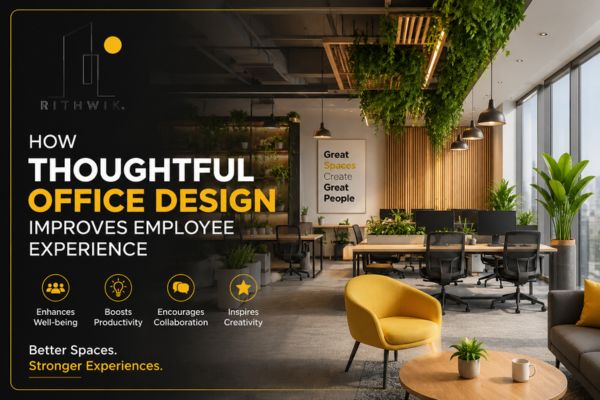
The modern workplace is more than a location where employees complete their daily tasks. It can influence how people feel, communicate, concentrate, collaborate, and connect with their organisation. A thoughtful office fitting and design approach considers these everyday experiences and creates an environment that supports both individual comfort and business productivity.
Employee experience is shaped by many factors, including workplace culture, leadership, flexibility, technology, and physical surroundings. While office design alone cannot solve every workplace challenge, a well-planned office fitting can make daily work more comfortable and efficient. From ergonomic furniture and natural lighting to quiet areas and collaborative spaces, every design decision can contribute to how employees experience their working day.
Creating a Comfortable Environment for Daily Work
Employees spend a significant part of their day at work, so physical comfort should be an important consideration in office design. Poor seating, unsuitable desk heights, inadequate lighting, or cramped workspaces can make everyday tasks more difficult.
Thoughtful office interiors can include ergonomic chairs, properly designed desks, adjustable workstations, and layouts that allow employees to move comfortably. These elements help create a workspace that supports different working styles and everyday needs.
Comfort is not simply about adding attractive furniture. It is about understanding how employees use the space. A designer can consider factors such as posture, movement, accessibility, storage, and the equipment employees use throughout the day.
When people feel physically comfortable in their workspace, they can focus more easily on their responsibilities instead of constantly adjusting to an uncomfortable environment.
Supporting Focus and Concentration
Open office layouts can encourage interaction, but they may also create distractions. Conversations, phone calls, meetings, and movement around the office can affect employees who need quiet time to complete focused tasks.
A thoughtful office design can balance openness with privacy. Instead of relying on one large workspace for every activity, businesses can create different zones for different types of work. Quiet areas, private meeting rooms, phone booths, and focused workstations can give employees more control over their environment.
This approach recognises that not every task requires the same setting. Some employees may need silence to analyse information or write detailed reports, while others may benefit from collaborative spaces for brainstorming and teamwork.
Providing a variety of work settings can make the office more adaptable and supportive of different working requirements.
Encouraging Better Collaboration
Collaboration does not happen simply because employees are placed close to one another. The workplace should provide practical spaces where teams can communicate comfortably and share ideas.
Informal discussion areas, meeting rooms, shared tables, and project spaces can make collaboration easier. These areas can be designed to support both planned meetings and spontaneous conversations.
For example, a comfortable breakout area may encourage employees from different departments to interact naturally. A flexible meeting space can allow teams to gather quickly for discussions without needing to book a formal boardroom.
Thoughtful office design can create opportunities for interaction while still respecting the need for individual focus. The goal is not to make every part of the office collaborative, but to provide the right environment for different types of communication.
Improving Employee Wellbeing
The physical workplace can influence how employees feel during the day. Natural light, ventilation, comfortable temperatures, greenery, and access to pleasant break areas can all contribute to a more positive office environment.
Biophilic design principles, such as incorporating plants and natural materials, can also help create a more welcoming atmosphere. Even small design changes, including better access to daylight or a dedicated space for breaks, can improve the overall character of the workplace.
Break areas are particularly important because employees need spaces where they can step away from their desks. A well-designed breakout space can provide an opportunity to relax, have informal conversations, or simply take a short break before returning to work.
By considering wellbeing as part of the design process, businesses can create workplaces that feel more supportive rather than purely functional.
Giving Employees More Choice
A traditional office often assigns each employee to one desk for the entire working day. However, different tasks may require different environments. An employee may need a quiet desk for focused work, a meeting area for collaboration, and a comfortable lounge space for an informal discussion.
A flexible office design can provide employees with more choice. This may include quiet zones, collaborative areas, touchdown spaces, meeting rooms, and shared workspaces.
Choice can improve the employee experience because individuals can select a setting that better suits the task they are completing. A workplace that supports flexibility can feel more responsive to the real needs of its employees.
However, flexibility should be carefully planned. The office should still provide enough structure, technology, storage, and available workspaces to ensure that employees can work efficiently.
Reflecting Company Culture Through Design
Office design can also communicate the personality and values of a business. The colours, materials, layout, artwork, and shared spaces can all contribute to the identity of the workplace.
A creative organisation may prefer open collaboration zones and visually expressive interiors. A professional services company may focus on privacy, refined meeting areas, and a more structured layout. The design does not need to follow a trend; it should reflect how the organisation operates and what employees need.
When the workplace feels connected to the company’s culture, it can create a stronger sense of belonging. Employees may feel more connected to the organisation when the environment reflects its purpose and values.
A well-designed office should therefore be more than visually appealing. It should communicate the character of the business while remaining practical for the people who use it every day.
Making Technology Easier to Use
Technology is an essential part of the modern workplace, and office design should support it. Employees need convenient access to power, reliable connectivity, video conferencing facilities, and spaces that allow them to use technology without unnecessary complications.
Poorly planned technology can create frustration. For example, meeting rooms without suitable charging points, poor video call setups, or insufficient connectivity can interrupt productivity.
Thoughtful planning can integrate technology into the workplace from the beginning. This creates a smoother experience and helps employees move between individual work, meetings, and collaborative activities more easily.
As hybrid and flexible working practices continue to influence office environments, technology-ready spaces can also help businesses support communication between employees working from different locations.
Designing for Inclusion and Accessibility
A positive employee experience should consider the needs of a diverse workforce. Accessibility should be part of the design process rather than an afterthought.
Clear pathways, accessible workstations, suitable meeting spaces, and thoughtful furniture arrangements can help create an environment that is easier for more people to use. Sensory considerations, such as lighting and noise levels, may also be important for creating a comfortable workplace.
An inclusive office design recognises that employees have different physical needs, working preferences, and ways of interacting with their environment.
Creating a workplace that is accessible and welcoming can help employees feel respected and supported.
Supporting Productivity Without Sacrificing Comfort
Productivity is often a key goal of office design, but an effective workplace should not focus only on fitting more desks into a limited area. Overcrowded spaces and poorly planned layouts can make the office feel stressful and difficult to navigate.
Thoughtful space planning considers workflow and movement. Employees should be able to access meeting rooms, shared facilities, storage, and other important areas without unnecessary disruption.
The placement of departments and teams can also influence communication. Teams that work closely together may benefit from being positioned in a way that supports easy interaction, while employees handling confidential or focused work may need greater privacy.
A balanced office layout can support productivity while also creating a more comfortable daily experience.
Creating a Workplace That Can Adapt Over Time
Business needs can change. Teams may grow, working styles may evolve, and technology may develop. A rigid office layout can become difficult to adapt when these changes occur.
Flexible furniture, modular spaces, and adaptable layouts can help businesses respond more easily to future requirements. A meeting room may need to become a collaborative workspace, or an open area may need additional private spaces as the organisation grows.
Designing with adaptability in mind can make the office more useful over the long term. Instead of creating a space that only works for current requirements, businesses can develop an environment that can evolve with their employees.
Conclusion
Thoughtful office design and office fitting play an important role in improving the overall employee experience. A well-planned workplace can support comfort, concentration, collaboration, wellbeing, accessibility, and flexibility. Every element, from lighting and furniture to meeting spaces and technology, can influence how employees interact with their environment.
The most effective office is not necessarily the most expensive or visually elaborate. It is a space designed around the people who use it. A thoughtful office fitting approach focuses on understanding employee needs and creating a balanced environment for focused work, teamwork, communication, and relaxation. This can help businesses build workplaces that support a more positive and productive daily experience.
Ultimately, thoughtful office design and office fitting are about creating a functional environment where employees can work comfortably, connect with others, and feel supported throughout their working day.