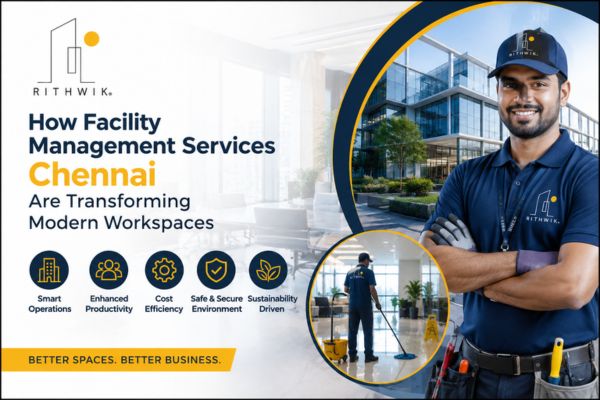
Modern workplaces are changing rapidly. Businesses are no longer looking at office spaces only as places where employees complete their daily tasks. Today, a well-managed workspace needs to be comfortable, safe, efficient, sustainable, and capable of supporting employee productivity. This changing expectation has increased the importance of professional facility management services chennai.
From maintaining electrical and HVAC systems to managing cleanliness, security, workplace infrastructure, and everyday operations, facility management has become an essential part of running a modern business. Professional facility management services chennai help organisations maintain their workspaces efficiently while allowing employees and management teams to focus on their core responsibilities.
Creating More Efficient Work Environments
A productive workplace depends on more than good employees and modern technology. Poor maintenance, uncomfortable temperatures, inadequate lighting, plumbing problems, or disorganised common areas can affect the overall working experience.
Professional facility management brings different maintenance and operational activities together under a structured system. Regular inspections, preventive maintenance, cleaning schedules, equipment monitoring, and timely repairs help reduce avoidable disruptions.
For businesses in Chennai, this approach can be particularly valuable because office buildings operate continuously and often depend on multiple systems working together. A proactive maintenance strategy helps identify potential issues before they become major problems.
Improving Employee Comfort and Workplace Experience
Employee experience has become an important consideration for businesses. People spend a significant portion of their day at work, so the physical environment can influence comfort, concentration, and overall satisfaction.
Facility management teams help maintain essential workplace conditions such as temperature, ventilation, cleanliness, lighting, washroom hygiene, and common-area maintenance. Well-maintained facilities create an environment where employees can work comfortably without being distracted by avoidable maintenance concerns.
Even simple improvements, such as keeping air-conditioning systems properly serviced or ensuring that shared spaces remain clean and organised, can make a noticeable difference to the daily workplace experience.
Supporting Preventive Maintenance
One of the major advantages of professional facility management is the shift from reactive maintenance to preventive maintenance.
Instead of waiting for equipment to fail, facility teams can schedule regular inspections and servicing for critical systems. This may include air-conditioning units, electrical systems, plumbing infrastructure, lifts, fire safety equipment, lighting, and other building facilities.
Preventive maintenance can help businesses identify wear and potential faults at an earlier stage. It can also reduce unexpected breakdowns and help extend the useful life of important equipment.
This approach is especially useful for commercial properties where a sudden equipment failure can interrupt operations and create unnecessary expenses.
Strengthening Workplace Safety
Safety is another area where effective facility management makes a significant contribution. A modern office requires more than basic security. Businesses also need systems and procedures that support fire safety, electrical safety, emergency preparedness, access control, and safe working conditions.
Facility management teams can coordinate routine inspections, maintenance activities, safety checks, and emergency procedures. Keeping these areas organised helps businesses respond more effectively to potential risks.
A properly maintained workplace also reduces the possibility of hazards caused by damaged equipment, poor housekeeping, blocked pathways, faulty electrical systems, or neglected infrastructure.
Making Better Use of Technology
Technology is transforming the way facilities are managed. Modern facility management can involve digital maintenance schedules, automated monitoring systems, energy management tools, access control technologies, and data-based reporting.
These technologies can provide facility teams with better visibility into building operations. For example, monitoring equipment performance can help identify unusual patterns that may indicate a maintenance requirement.
Digital systems can also make it easier to track service requests, maintenance records, inspections, and recurring tasks. As businesses become more technology-driven, smarter facility management can help create a more connected and responsive workplace.
Improving Energy and Resource Efficiency
Energy efficiency is becoming increasingly important for modern businesses. Commercial buildings can consume significant amounts of electricity through air-conditioning, lighting, equipment, and other systems.
Professional facility management can support more responsible resource usage through regular equipment maintenance, efficient operating practices, lighting management, and monitoring of energy consumption.
In Chennai’s warm climate, air-conditioning can represent a major part of workplace energy use. Maintaining HVAC systems properly can help them operate more efficiently while supporting indoor comfort.
Facility teams can also identify opportunities to reduce water consumption, minimise unnecessary energy use, and improve waste management. These measures can support both operational efficiency and broader sustainability goals.
Maintaining a Professional Business Image
A workplace often creates an impression before a business representative has the opportunity to speak with a visitor. Clean reception areas, well-maintained washrooms, functioning lighting, organised common spaces, and properly maintained external areas can contribute to a professional appearance.
Facility management helps businesses maintain these standards consistently. Instead of addressing cleanliness or maintenance problems only when they become noticeable, scheduled facility services provide a more structured approach.
For companies that regularly welcome clients, partners, candidates, or visitors, a well-maintained workspace can reinforce professionalism and attention to detail.
Helping Businesses Focus on Core Operations
Managing a commercial facility requires time, coordination, and technical knowledge. If internal employees are constantly required to handle maintenance requests, vendor coordination, cleaning issues, or infrastructure problems, their attention can move away from their primary responsibilities.
Outsourcing facility management allows businesses to delegate many of these operational requirements to professionals. This creates a clearer division of responsibilities and can make day-to-day workplace management more organised.
The goal is not simply to outsource maintenance. It is to create a reliable support system that keeps the workplace functioning while management teams concentrate on business growth and employee needs.
Adapting Workspaces to Changing Business Needs
Modern workplaces are becoming more flexible. Hybrid working, collaborative areas, shared workstations, meeting rooms, employee wellness spaces, and changing occupancy patterns are influencing how offices are designed and operated.
Facility management needs to adapt alongside these changes. A workspace may require different cleaning schedules, room configurations, maintenance plans, or energy strategies depending on how employees use the building.
Professional facility management services can help organisations respond to these changing requirements while maintaining operational consistency.
The Future of Facility Management in Chennai
Facility management is moving beyond basic housekeeping and maintenance. The modern approach combines infrastructure management, technology, safety, sustainability, employee comfort, and operational planning.
As Chennai continues to grow as a major business and commercial hub, organisations are likely to place greater emphasis on efficient workplace management. Businesses that invest in professional facility management can create work environments that are more reliable, comfortable, safe, and adaptable.
The most effective facility management strategy is one that works quietly in the background while making a visible difference to the people using the workplace. By combining preventive maintenance, technology, safety practices, resource efficiency, and employee-focused services, facility management can become an important part of long-term workplace performance.
Conclusion
Modern workspaces require more than attractive interiors and advanced technology. They need dependable systems, regular maintenance, clean surroundings, safety measures, efficient resource management, and a comfortable environment for employees.
Professional facility management services help businesses bring these requirements together through a structured and proactive approach. Rithwik Facility can support organisations in maintaining efficient workplace operations while focusing on essential areas such as maintenance, cleanliness, safety, and infrastructure management.
By improving everyday operations, reducing avoidable disruptions, supporting workplace safety, and maintaining better working conditions, facility management is playing an increasingly important role in shaping the future of commercial workplaces.