
Office renovation can provide more than a visual transformation. When planned around employee needs and business objectives, it can improve comfort, space utilisation, collaboration, concentration, technology access, and workplace well-being. Well-planned office work spaces can also help employees move efficiently between individual tasks, meetings, and team activities.
A productive office should make everyday work easier rather than create unnecessary obstacles. By investing in thoughtful space planning, ergonomic solutions, efficient lighting, flexible work areas, and modern workplace facilities, businesses can create an environment where employees can perform at their best.
The right renovation approach can turn an outdated office into a practical and engaging workplace that supports both employee productivity and long-term business growth.
Reduces Unexpected Repair Costs
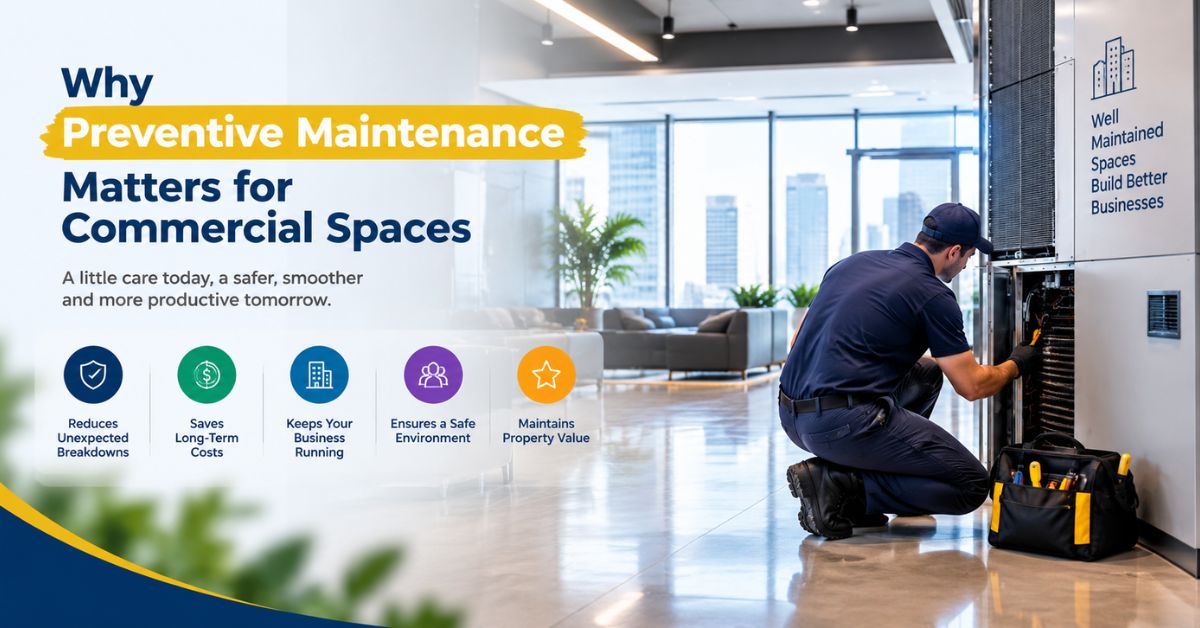
One of the biggest advantages of preventive maintenance is better cost control. Small issues can become expensive problems when they are left untreated. A minor electrical fault, water leak, damaged fixture, or poorly functioning air-conditioning unit may eventually require extensive repairs if it is ignored.
Routine inspections allow maintenance teams to identify these issues at an early stage. Fixing a small problem is usually more manageable than replacing an entire system after a serious breakdown. Regular servicing can therefore help businesses avoid sudden expenses and plan their maintenance budgets more effectively.
Improves Workplace Safety
Safety should always be a priority in commercial environments. Faulty electrical connections, damaged flooring, blocked emergency exits, leaking pipes, poor lighting, and malfunctioning equipment can create risks for employees, customers, and visitors.
Preventive maintenance helps identify potential hazards before they lead to accidents. Regular checks of electrical systems, fire safety equipment, ventilation, plumbing, lighting, and other building components can create a safer working environment. A well-maintained property also demonstrates that the business takes the wellbeing of its people seriously.
Keeps Business Operations Running
Unexpected equipment failures can interrupt normal business activities. A heating or cooling problem can make an office uncomfortable, while plumbing issues can affect restaurants, retail spaces, and other commercial facilities. Electrical failures may even bring important operations to a complete stop.
A planned maintenance program reduces the likelihood of sudden breakdowns. Maintenance can also be scheduled during quieter periods to minimize disruption. This allows businesses to continue their daily activities with fewer interruptions and greater confidence.
Extends the Life of Building Systems
Commercial equipment and building systems represent significant investments. Air-conditioning units, electrical systems, plumbing infrastructure, lighting, flooring, doors, and other components can last longer when they receive proper care.
Regular cleaning, inspection, adjustment, and servicing can prevent excessive wear and damage. For example, servicing an HVAC system can help maintain efficient airflow and reduce unnecessary strain on the equipment. Similarly, checking plumbing connections can help prevent leaks that may damage walls, flooring, and other parts of the property.
Extending the useful life of building assets can reduce the frequency of major replacements and help businesses get better value from their investments.
Supports Energy Efficiency
Poorly maintained systems can consume more energy than necessary. Dirty filters, blocked vents, damaged seals, inefficient lighting, and malfunctioning equipment may force building systems to work harder to achieve the same results.
Preventive maintenance helps keep equipment operating closer to its intended performance level. Regular cleaning and servicing can improve efficiency while reducing unnecessary energy consumption. Over time, this can contribute to lower operating expenses and support a more sustainable commercial property.
Maintains Professional Appearance
The condition of a commercial space can influence how employees, customers, clients, and visitors view a business. Damaged surfaces, broken fixtures, poor lighting, leaking ceilings, or neglected common areas can create an unprofessional impression.
Routine maintenance helps keep the property clean, functional, and visually appealing. Regular inspections can identify areas that need attention before they become noticeable problems. A well-maintained commercial environment can support a more positive experience for everyone using the space.
Helps Maintain Compliance
Commercial properties may need to meet various safety, building, electrical, fire protection, and workplace requirements. Neglecting maintenance can increase the risk of non-compliance and create operational or legal concerns.
A structured maintenance program encourages regular checks and documentation. Keeping records of inspections, servicing, repairs, and equipment condition can also help facility managers track maintenance activities and demonstrate that appropriate measures are being taken.
Improves Employee Comfort and Productivity
A comfortable workplace can support employee satisfaction and productivity. Temperature, ventilation, lighting, cleanliness, and general building conditions all contribute to the working environment.
Preventive maintenance helps keep essential systems operating properly. Regular HVAC servicing, lighting inspections, plumbing checks, and facility upkeep can reduce common problems that affect workplace comfort. When employees can work in a clean, safe, and comfortable environment, they can focus more effectively on their responsibilities.
Makes Maintenance More Predictable
Reactive maintenance often means dealing with problems when they happen. This can create stress, unexpected expenses, and scheduling difficulties. Preventive maintenance creates a more organized approach. For businesses managing a Commercial space for rent, regular maintenance can also help keep the property safe, functional, and appealing to occupants.
Businesses can establish maintenance calendars based on equipment requirements, building conditions, usage levels, and manufacturer recommendations. Planned inspections make it easier to assign responsibilities, arrange technicians, order replacement parts, and schedule work without affecting important business activities.
Conclusion
Preventive maintenance is an important part of managing a reliable commercial space. It can reduce unexpected breakdowns, control repair costs, improve safety, support energy efficiency, extend equipment life, and maintain a professional environment. More importantly, it changes maintenance from a reactive task into a planned business activity.
For commercial property owners and facility managers, regular maintenance is not simply about fixing problems. It is about protecting valuable assets, supporting daily operations, and creating a dependable environment for employees, customers, and visitors. A consistent preventive maintenance plan can help commercial spaces remain efficient, safe, comfortable, and ready for business throughout the year.